Texas heat ages a roof faster than most homeowners realize. What sustained 100-degree summers do to shingles, seals, and attic ventilation — and what to check before fall.
Photo: Nikita Belokhonov / Pexels# What a North Texas Summer Does to Your Roof
Hail gets the attention because the damage is sudden and visible. Heat does slower work, and by the time it shows, the roof has usually lost years.
A dark asphalt roof in McKinney can reach well past 150°F on an August afternoon. Then it drops forty or fifty degrees overnight. That cycle repeats every day from June through September, and it's the single most underrated cause of roof aging in this part of Texas.
## What the heat is actually doing
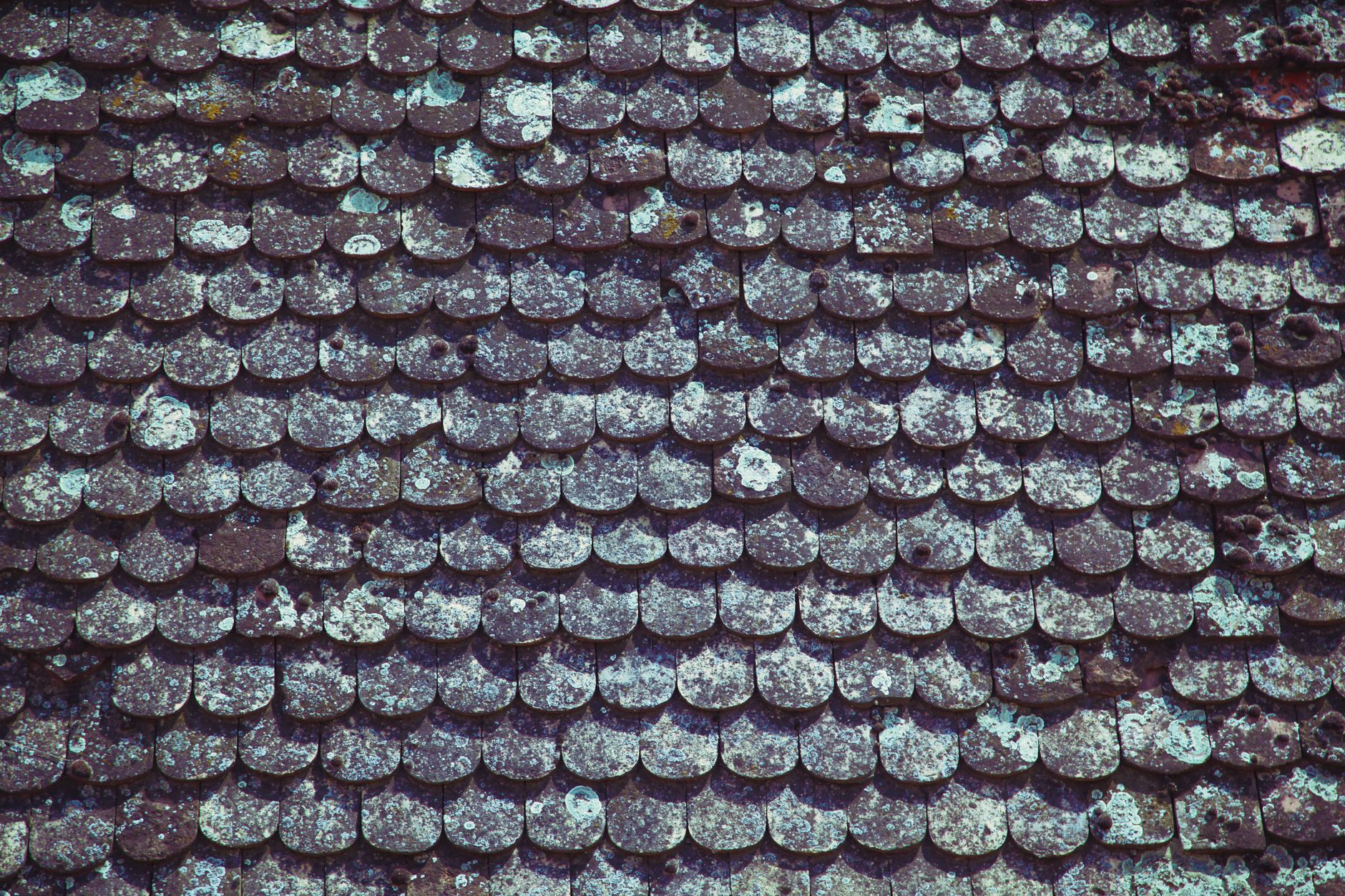
**The asphalt dries out.** Shingles are asphalt-saturated mats topped with mineral granules. Sustained heat drives the volatile oils out of the asphalt over time, and the mat gets brittle. A brittle shingle cracks instead of flexing, and it stops sealing properly against wind.
**Granules loosen.** Those granules are the shingle's sunscreen — they take the UV hit so the asphalt underneath doesn't. As the mat softens and re-hardens through thousands of cycles, granules shed. Bare patches accelerate everything, because now the asphalt is taking direct UV.
**Seals fail and shingles lift.** Each shingle course is held down by a self-sealing adhesive strip that softens in heat and re-bonds as it cools. After enough cycles — especially on south- and west-facing slopes — that bond weakens. A lifted shingle is the entry point for the next windstorm.
**Materials expand at different rates.** Metal flashing, decking, and shingles all move at different speeds. Over a summer, that differential works fasteners loose and opens gaps at chimneys, valleys, and roof-to-wall transitions.
**Blistering.** Trapped moisture in the shingle mat vaporizes and pushes the surface up into small raised bumps. When they pop, the granules go with them and you're left with an exposed spot.
## Why attic ventilation is half the story
A roof cooks from both sides. Without adequate intake at the soffits and exhaust at the ridge, attic temperatures in a North Texas home can climb into the 150s and stay there. The decking bakes, the shingles bake from underneath, and the whole assembly ages faster than it should.
Poor ventilation also shortens the manufacturer's warranty on most shingle products — many require specified airflow, and inadequate ventilation is a documented reason for denied claims.
The tell is usually inside: an upstairs that never quite cools, cooling bills that climb faster than your neighbors', or an attic that's brutal to enter in the evening long after sunset.
## What to look for at the end of summer
From the ground, with binoculars if you have them, and from inside the attic:
- **Granules collecting** at downspout splash-outs or in the gutters
- **Curling or cupping** at shingle edges, especially on the west-facing slope
- **Shingles that look dull or patchy** compared to shaded sections of the same roof
- **Daylight through the decking** in the attic, or the smell of hot, still air with no movement
- **Nail heads backing out** or fasteners visible where they weren't before
- **Cracked pipe boots** — the rubber collars around plumbing vents are the first thing UV destroys, usually failing years before the shingles do
That last one is worth a specific mention. Pipe boots are inexpensive, they're a common source of leaks in Collin County homes, and they're routinely overlooked until water shows up on a ceiling.
## Why late August is the right time to look
Fall in North Texas brings its own weather — the first cold fronts, wind events, and the occasional late-season hail. A roof that spent the summer getting brittle heads into that season already weakened.
Checking now means small repairs happen on your schedule, in dry weather, at repair prices. Checking after the first fall storm means the same repairs happen under a tarp.
## What ages well, and what doesn't
If you're replacing a roof in this climate, heat performance matters as much as hail rating. Lighter-colored and reflective shingles run cooler. Impact-resistant Class 4 products generally carry a heavier mat that handles thermal cycling better than a three-tab. And ridge ventilation added during a replacement costs a fraction of what it costs to retrofit later.
Blue Ribbon Roofing has been inspecting North Texas roofs since 1993 — through McKinney, Allen, Plano, Frisco, Prosper, Melissa, and Van Alstyne. An end-of-summer inspection is free, and if the roof is in good shape, we'll say so.